
Legislative Advocacy Center
How We Help:
We need equal access to the world and the tools to reach our full potential. Every legislative session, Disability Rights Oregon pursues policy changes to bring us closer to that goal.
Together, we'll transform Oregon.

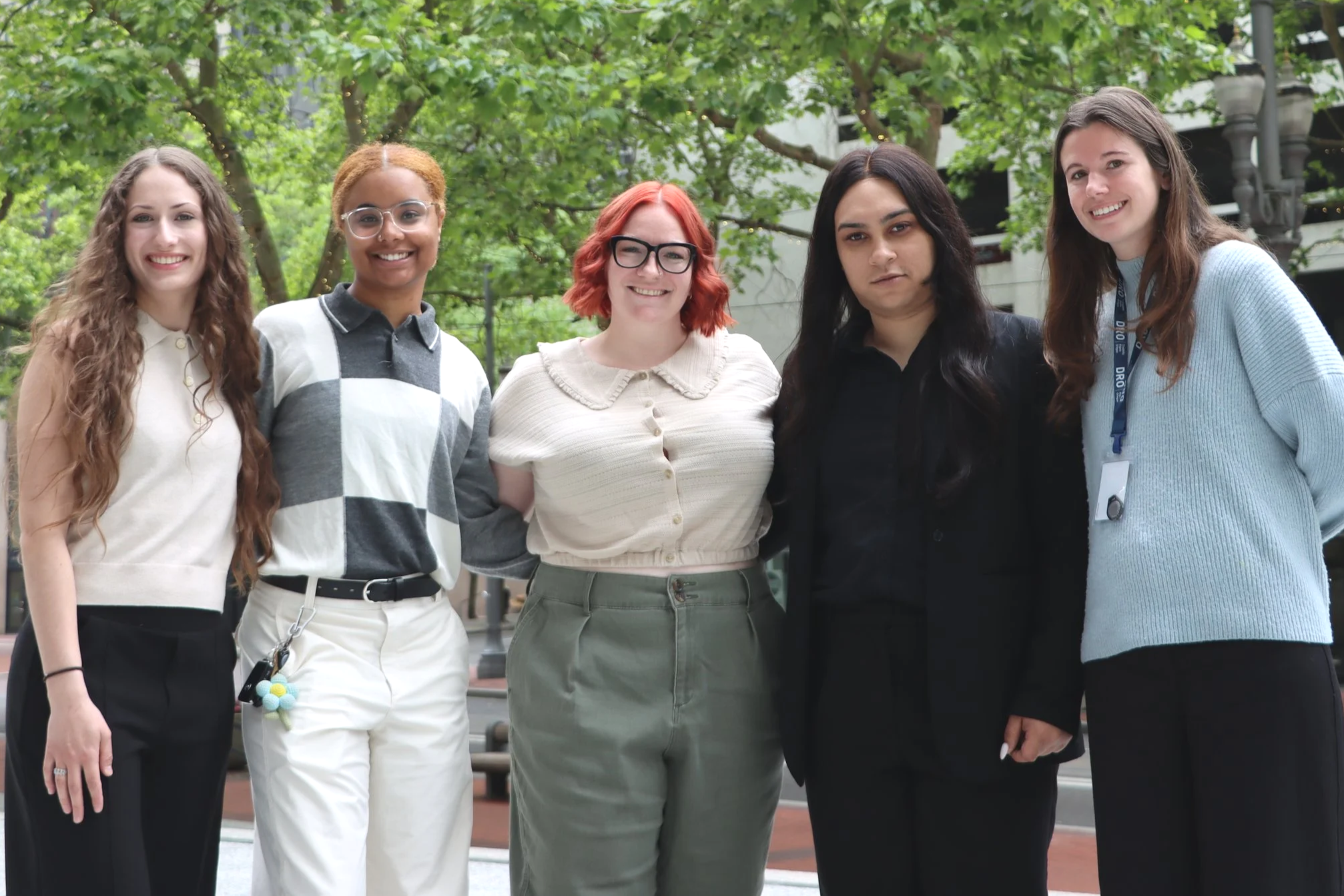
Every summer, we're lucky to welcome a new group of law clerks who bring energy, curiosity, and a genuine commitment to disability rights into our work. This year was no exception, and we're proud to share what they accomplished.
When the Oregon Needs Assessment slashed home care hours by nearly 40 percent, one family faced an impossible choice. Here's how advocacy made all the difference.
Our investigative report examines the cascade of failures by the Oregon Department of Human Services (DHS) to protect “Lucas” from abuse, neglect, and, ultimately, death.
Advocacy Tools and Tips
Being an advocate is not difficult—and you don’t have to be a political expert to fill this role. All you need to succeed as an advocate are a few basics about the way your Legislature works and information about what motivates legislators.
Your Rights, Your Priorities
Your ideas needs to be front and center. Use this form to describe why a piece of legislation matters to your life. Share your story with us, your elected representatives, or with your local news media.

Creating Change
Despite a myriad of challenges faced during Oregon’s 2023 legislative session, DRO was successful in advocating for a multitude of important policies affecting our community.
DRO successfully advocated for Senate Bill 819, helping Oregon children with disabilities have equal education access.
We fought to change the rules regarding what is considered evidence, making it possible for crime victims who are nonverbal to testify.
DRO successfully fought for funding to improve ASL and captioning of state legislative process
Read how we helped Donna advocate for her rights under Oregon’s Assistive Device Lemon Law.
In the fall of 1981, when I was 17-years old, I dived into an above-ground swimming pool that was not well lit or marked for depth. I injured my spinal cord (C5 - C6) and became disabled. It wasn't until 12 years later that I first identified as a person with a disability. Fighting for passage of the ADA and focusing on my college education were the catalysts for me to steer my life in the direction that I wanted to take it.